Tribute to Jerzy Skolimowski
BFM — 39
BFM — 39

The second homage of BFM 39, which includes 6 films, is dedicated to Jerzy Skolimowski, Polish director, screenwriter and film actor, one of the most important representatives of Eastern European cinema and author of a free and innovative film style.
Skolimowski was born in Łódź, Poland, in 1938. After the death of his father, a member of the resistance killed in 1943, he spent his childhood and part of adolescence between Warsaw and Prague: his schoolmates included future filmmakers Miloš Forman and Ivan Passer, as well as writer and statesman Václav Havel. After completing his university studies, he divided himself between boxing and literature, supporting numerous amateur fights and simultaneously publishing two poetry collections and a theatrical piece. In 1960 he met Andrzej Wajda, who involved him in the creation of Niewinni czarodzieje (Innocent sorcerers): Skolimowski co-wrote the script and played the character of the young boxer. In the same year, he enrolled at the Łódź film school and, together with Roman Polański, he wrote the screenplay for Nóz w Wodzie (Knife in the Water). His first short films are characterized by the irreverent aspect of his political satire, a sophisticated use of music, mastery of editing and the strong expressionistic tones of photography, along with a particular attention to youth problems of the early 1960s in Poland. Rysopis (Identification Marks: None, 1964) will be followed by Walkower (Walkover, 1965), Bariera (Barrier, 1966), Le départ (The Departure, 1967) and Rece do góry (Hands Up!, 1967): all films portraying the Polish society with its transformations, social tensions, socialist ideals, disappointed expectations. Hands up! caused quite an outrage among the powers that be and would be published only fourteen years later. Skolimowski then chooses exile. The Departure, shot in Belgium, won the Golden Bear in Berlin. Deep End and König, Dame, Bube (King, Queen, Knave), both from 1972 and both made in Germany, precede The Shout (1978) and Moonlighting (1982), the film which, rich in autobiographical elements, established Skolimowski status as an emigrant, reflecting it in the figure of the protagonist. 1985 was the year of The Lightship, a story of violence and redemption focused on the relationship between a father and his son, starring Klaus Maria Brandauer and Robert Duvall; the film won the special jury award at the Venice Film Festival. In 1989 Skolimowski competed at Cannes with Torrents of Spring, adapted from the eponymous novel by I.S. Turgeven, a story of overwhelming love between Nastassja Kinski and Timothy Hutton. A long hiatus would follow. After 17 years of inactivity and 27 years of exile, the director returns to Poland to direct Cztery nut z Anna (Four Nights with Anna, 2008); later, with Essential Killing (2010), he returned to Venice and won the Silver Lion – Grand Jury Prize and the Volpi Cup for best actor thanks to Vincent Gallo’s performance. His latest work, 11 minut (11 Minutes, 2015), is a choral film of rare intensity and a true cinematic fresco.
With the patronage of the Polish Institute of Rome.
 https://www.bergamofilmmeeting.it/bfm/wp-content/uploads/2021/04/MC.jpg
844
1500
Alessio
https://www.bergamofilmmeeting.it/bfm/wp-content/uploads/2018/10/logo_bfm.png
Alessio2021-04-14 13:30:192021-04-14 18:00:34Competition – Exhibition
 https://www.bergamofilmmeeting.it/bfm/wp-content/uploads/2021/04/Varejão_AmorFati_002-copia.jpg
901
1500
Alessio
https://www.bergamofilmmeeting.it/bfm/wp-content/uploads/2018/10/logo_bfm.png
Alessio2021-04-14 13:29:592021-04-14 18:02:12Close up
 https://www.bergamofilmmeeting.it/bfm/wp-content/uploads/2021/03/Mia_Hansen_Love_Eden_006.png
516
1500
Alessio
https://www.bergamofilmmeeting.it/bfm/wp-content/uploads/2018/10/logo_bfm.png
Alessio2021-04-14 13:28:322021-04-14 07:40:23Europe, Now!
 https://www.bergamofilmmeeting.it/bfm/wp-content/uploads/2021/03/7_More_Minutes_01.jpg
1064
1500
Alessio
https://www.bergamofilmmeeting.it/bfm/wp-content/uploads/2018/10/logo_bfm.png
Alessio2021-04-14 13:27:482021-04-14 07:41:42Animation cinema: Izabela Plucińska
 https://www.bergamofilmmeeting.it/bfm/wp-content/uploads/2021/04/Milad_Tangshir_Star_Stuff_013.png
844
1500
Alessio
https://www.bergamofilmmeeting.it/bfm/wp-content/uploads/2018/10/logo_bfm.png
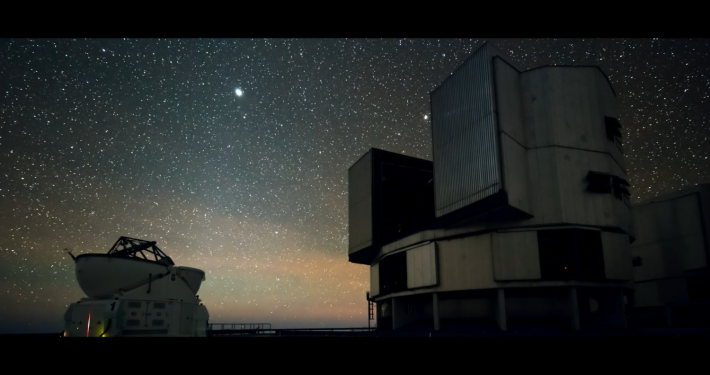
Alessio2021-04-14 13:25:002021-04-15 19:42:12Previews, Classics and Special Events
 https://www.bergamofilmmeeting.it/bfm/wp-content/uploads/2021/02/volker_schlondorff_05.jpg
1013
1500
Alessio
https://www.bergamofilmmeeting.it/bfm/wp-content/uploads/2018/10/logo_bfm.png
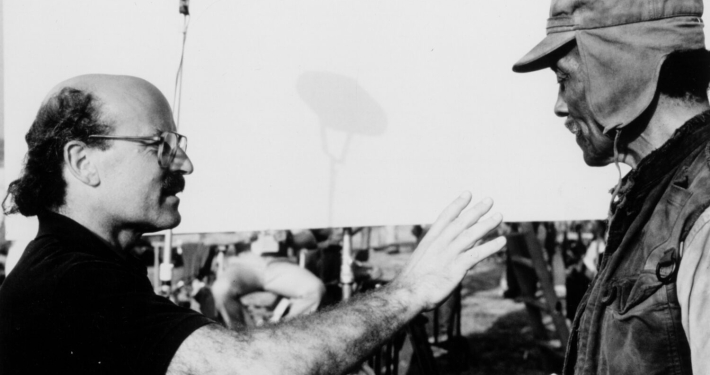
Alessio2021-04-14 13:23:422021-04-14 07:44:38Volker Schlöndorff.
 https://www.bergamofilmmeeting.it/bfm/wp-content/uploads/2021/04/Skolimowski_Bariera_03.jpg
1047
1500
Alessio
https://www.bergamofilmmeeting.it/bfm/wp-content/uploads/2018/10/logo_bfm.png
Alessio2021-04-14 13:20:172021-04-14 18:06:57Tribute to Jerzy Skolimowski
 https://www.bergamofilmmeeting.it/bfm/wp-content/uploads/2021/04/Meszaros-IMM-sezione.jpg
1156
1500
Alessio
https://www.bergamofilmmeeting.it/bfm/wp-content/uploads/2018/10/logo_bfm.png
Alessio2021-04-14 13:15:302021-04-14 18:04:35Tribute to Márta Mészáros
 https://www.bergamofilmmeeting.it/bfm/wp-content/uploads/2021/04/Tosatti_Il_mio_cuore_e_vuoto_come_uno_specchio_Episodio_di_Odessa_03-1.jpg
1001
1500
Alessio
https://www.bergamofilmmeeting.it/bfm/wp-content/uploads/2018/10/logo_bfm.png
Alessio2021-04-12 17:37:432021-04-14 15:47:32Encounters: Cinema and Contemporary Art